
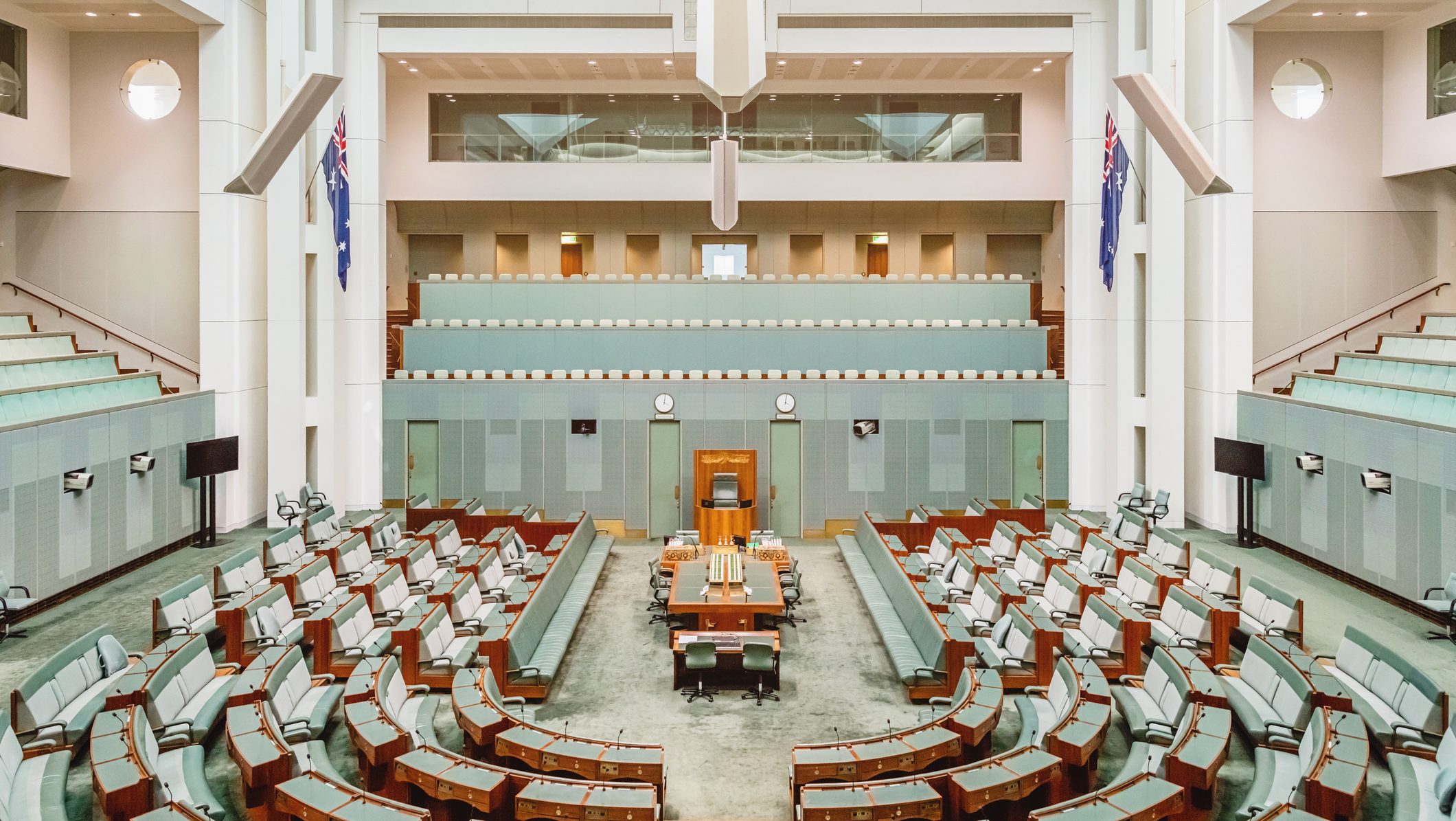
A recent report published by the Parliament of Australia marks a significant shift away from regulatory consistency. Titled the second interim report on digital platforms and the traditional news media, the recommendations appear to expand far beyond the scope one would expect from a document focused on the country’s media landscape.
Recommendation one opens with the proposal to establish a “Digital Affairs Ministry” that is responsible for coordinating policy to address the “challenges and risks presented by digital platforms.” In addition to this concerning proposal, the recommendation also directly calls for the Ministry to be given an “equally broad remit” due to the regulation of social media needing to be broad.
There are better practices for governments and countries considering implementing regulation. In the United States, existing government agencies already cover key subject areas in tech including cable, radio, television, and satellite communication infrastructure by the Federal Communications Commission (FCC), consumer protection and data privacy by the Federal Trade Commission (FTC), antitrust by both the FTC and the Department of Justice (DOJ) and broadband access and internet adoption by National Telecommunications and Information Administration (NTIA). Although the American and Australian governments differ in their branches of government and electoral systems, the countries share similar democratic foundations. When considering tech regulation both in the U.S. and internationally, interagency coordination is likely more effective given the multidisciplinary aspects of technology. The United States’ emphasis on technological innovation is an important example of why this is.
Experts warn that the creation of a new agency could also complicate policy through inconsistent regulations across sectors due to overlapping jurisdictions and argue that best practices should be set by practitioners with the necessary expertise and experience to ensure success. This is due to concerns regarding laws that only apply to the internet rather than the economy and human activity overall.
Faced with issues from the News Media Bargaining Code, including decisions to not renew deals, the second recommendation in the report proposes a “digital platform levy” to mitigate the ongoing funding crisis by supplementing funding earned from the Code. The report calls for consideration of preserving current and future commercial deals to sustain journalism “over the longer term” as well as providing support for “digital media literacy initiatives.”
This approach raises a few questions. Why is Australia looking to supplement a law that has proven it can’t meaningfully contribute to media sustainability even further? And why are they once again looking at a handful of American-based companies to foot the bill?
A recent Computer and Communications Industry Association (CCIA) explainer details governments’ ongoing trends in seeking these proposals that center around the redistribution of profit from the tech industry to news publications, including some of the largest hedge funds and media conglomerates. These kinds of policies, often classified as digital services taxes or data mitigation extraction fees, remain problematic like link taxes as they fail to solve the issues community news continues to face and place the blame on digital services that aid in innovation and transformation for publications that need these most.
In addition to this digital services tax, recommendation six in the report details the exploration of “must-carry” requirements for digital services to carry Australian news content from small and large news publications alike. This remains an extremely problematic consideration, especially from a report that in the same breath emphasizes the importance of combating mis- and disinformation and media literacy.
The potential proliferation of false information and dangerous content as well as the impact on digital services being able to effectively moderate content are unintended consequences of these must-carry policies, as they would vastly impact the open internet and online information sharing. This combined with the operational and legal complexities of must-carry provisions would result in a chilling of the very innovation needed to keep local newsrooms and smaller publications alive.
Towards the end of the report, the committee recommends that the Australian government adopt transparency standards similar to the European Union’s Digital Services Act (DSA). These standards relate to access to platform data and algorithms for facilitating research as well as recommender systems and a notice of changes to algorithms. This focus is particularly concerning because of privacy risks for users, the potential for overreach, and the impact on user experience as well as small and medium-sized businesses.
With key provisions for the DSA going into effect just last year for “very large online platforms”, it is far too early for countries to consider mirroring the recently enacted legislation. It remains to be seen how it will work in practice. One of the most concerning aspects of the law’s current transparency and data access for researchers provisions is the need for safeguards in terms of data protection, privacy, or trade secrets. These topics are expected to be covered in forthcoming secondary legislation by the European Commission.
Overall, Australia’s second interim report on digital platforms and the traditional news media sets the country down a concerning path that massively shifts Parliament away from long-proven best practices. This pivot targets American companies with regulations that overlook the value of collaboration and innovation. If Australia chooses to implement the proposed recommendations, the country could stifle innovation, significantly limit consumer choice, and dampen competition. The solution is not supplementing or mirroring policies that have failed or remain unproven both in Australia and in other countries. Instead, Parliament should adopt more balanced and flexible approaches to support a thriving ecosystem for both vital news publications and technology.