Recapping the State-Level AI Policy Boom in 2024

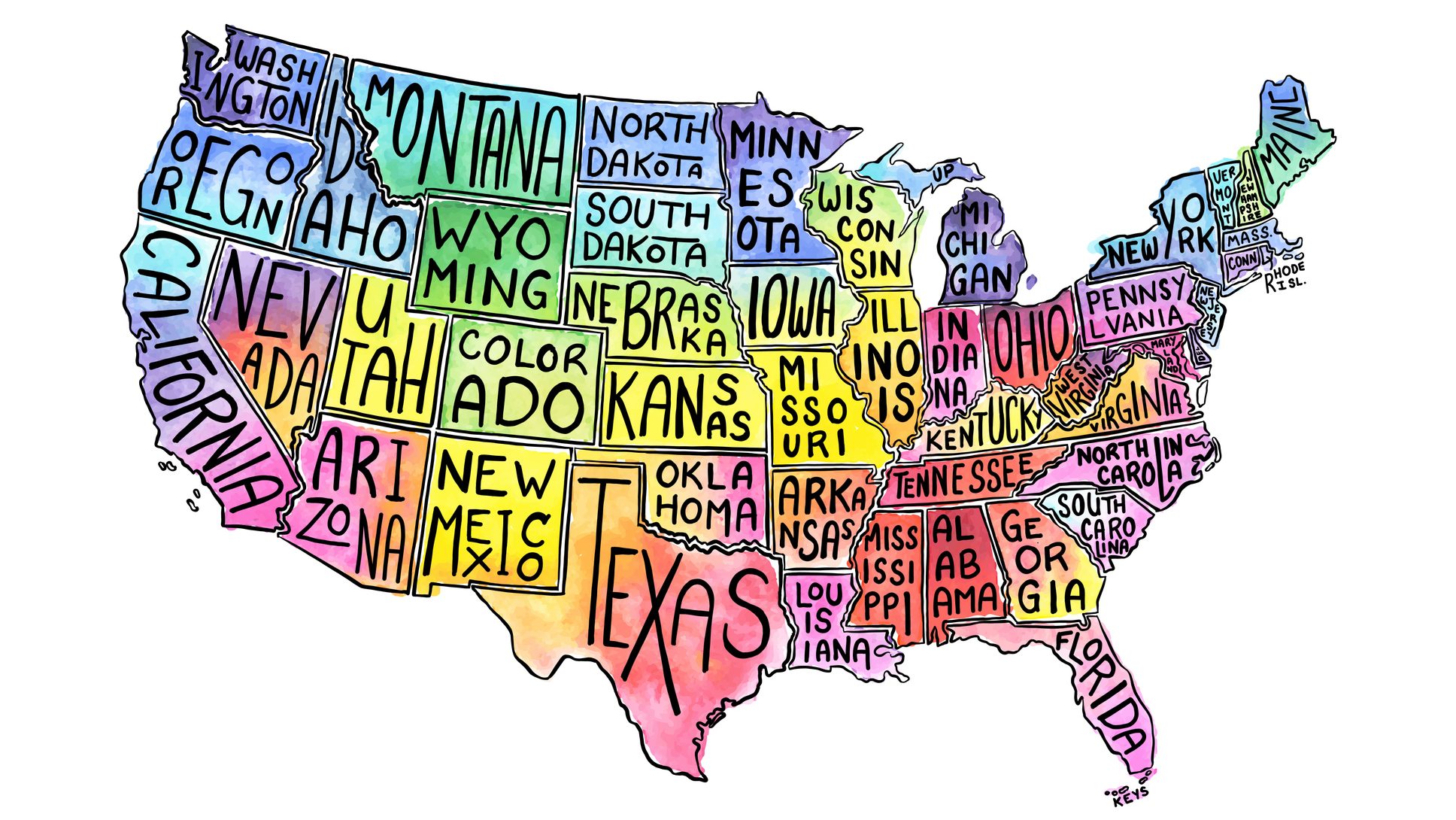
In 2024, artificial intelligence (AI) took center stage in legislative discussions across the United States, reflecting the rapid growth of this transformative technology. With every state introducing some form of AI-related legislation, the past year demonstrated the urgency among lawmakers to establish frameworks addressing AI’s societal and economic impacts. From ensuring transparency in AI-generated content to regulating advanced applications like deepfakes and digital replicas, state governments sought to tackle the opportunities and challenges posed by this technology.
One of the primary trends was the introduction of legislation to establish safety guardrails for AI systems. These proposals, found in Connecticut, Colorado, and California, often mandated that developers disclose their models’ capabilities, assess risks, and mitigate potential harms. While these measures aimed to ensure responsible AI usage, concerns arose about their unintended consequences on innovation. Broad requirements risk stifling technological progress in an emerging sector, placing states with stringent regulations at a competitive disadvantage compared to regions with more balanced approaches.
Another notable trend was the push for measures addressing content provenance, including watermarking AI-generated media and combating deepfakes. Several states, including California and Florida, introduced or passed laws requiring AI-generated content to carry digital proof of origin to combat misinformation and fraud. However, these initiatives faced criticism for technical limitations, such as the ease of removing watermarks post-creation. Similarly, proposed legislation regulating deepfake content highlighted the importance of targeting bad actors rather than penalizing developers or deployers of AI systems.
Lastly, the rise of state-led task forces and study groups signaled a proactive approach to understanding AI’s implications. These initiatives focused on ethical considerations, economic impacts, and crafting governance frameworks. States like Washington and West Virginia established task forces to properly analyze AI and seek out methods of balancing AI’s risks and rewards. As the legislative landscape continues to evolve, the lessons from these efforts emphasize the need for collaborative, informed policymaking to harness AI’s potential while addressing its complexities responsibly.
What’s to come in 2025
Looking ahead to 2025, AI legislation at the state level is expected to build on the foundations laid in 2024, with an increasing focus on refining and adapting regulatory frameworks to keep pace with technological advancements. States will likely revisit and revise existing bills to address stakeholder feedback, and work to build off of legislation passed in other states. Emerging priorities include deeper exploration of AI’s role in critical sectors such as education, law enforcement, and public health. As AI continues to evolve, state governments are poised to play a pivotal role in shaping policy landscapes that balance technological progress with ethical responsibility.
For more information about state AI legislation trends from 2024 and leading into 2025, see CCIA’s 2024 state AI landscape.