
Wake-Up Call on U.S. Competitiveness Was Overdue
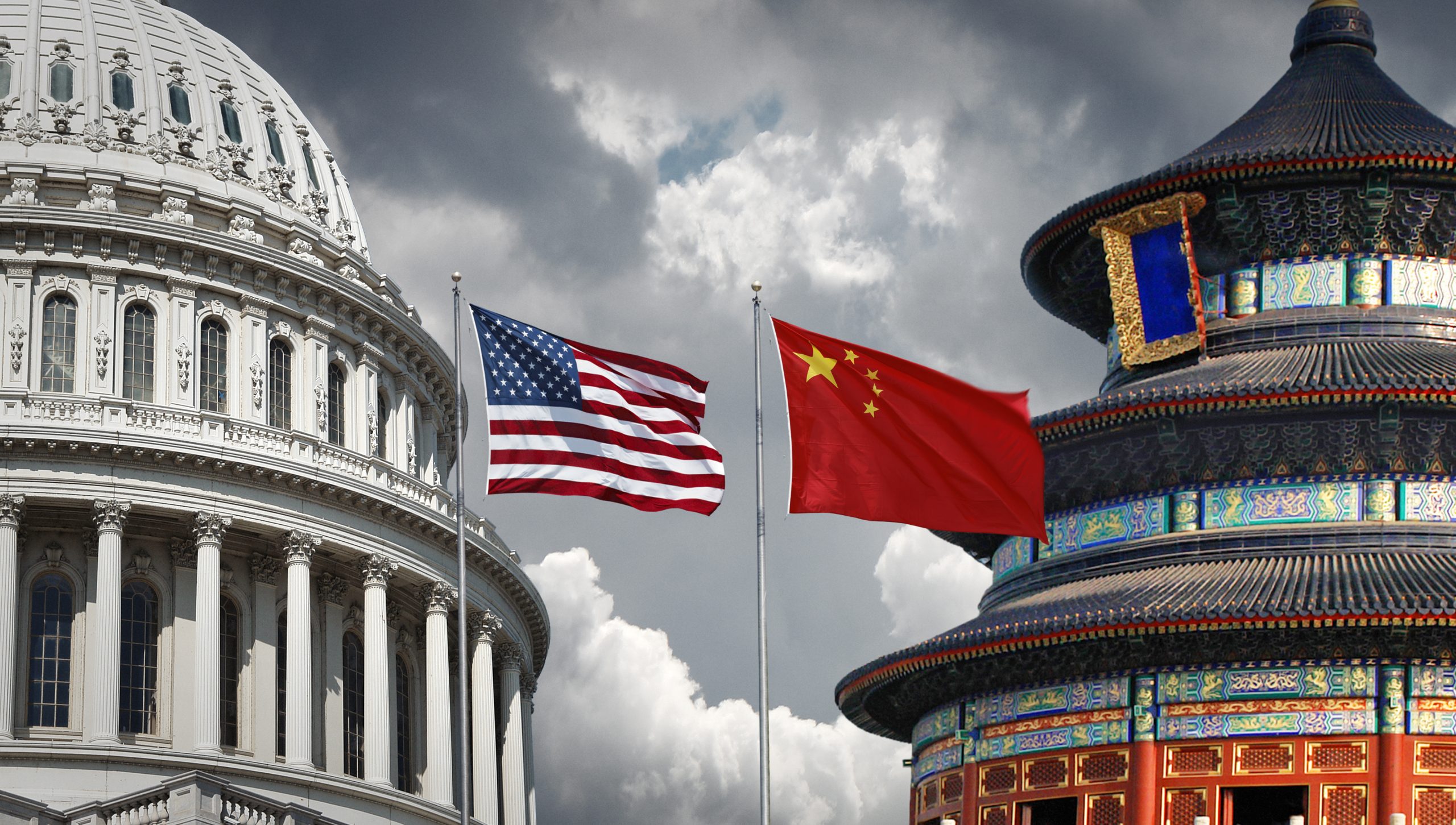
When Chinese AI startup DeepSeek shook the stock market last week, the event may have surprised investors, but the danger of China surpassing Western democracies in key technologies is one Congress and the White House have flagged for years.
In 2019, then Sen. Marco Rubio, R-Fla., released a report warning of China’s 10-year plan to achieve dominance in 10 crucial areas from robotics to AI, and calling on the U.S. to respond with dramatic investment in sectors “critical to our security and prosperity.”
The Biden Administration imposed multiple export controls over several years to mitigate this risk, and President Trump recently called the release of the latest version of DeepSeek “a wakeup call for our industries that we need to be laser-focused on competing to win.”
If there were any doubt as to what is at stake, that should have been dispelled when reporters discovered that DeepSeek suppressed results about Tienanmen Square.
But this isn’t specific to DeepSeek, or even AI. U.S. companies have been investing millions each year in technology research and development, but have frequently operated with one hand tied behind their backs. At a time when global competition with rivals abroad should be the priority, they have been fending off Administration regulators challenging acquisitions of new technology on an unprecedented scale. Additionally, investigators have been launching legal challenges against U.S. tech companies based on approaches that contradict decades of U.S. antitrust precedent.
In fiscal year 2022 alone, the Federal Trade Commission and Department of Justice filed 50 merger enforcement actions – the highest in the last 20 years.
The chilling message against mergers and acquisitions resulted in a decline in venture capital available to start ups, and kept U.S. tech companies from growing – and smaller companies from surviving.
A recent report underscored how the new paradigm regarding mergers and acquisitions and the over-enforcement of antitrust laws resulted in a sudden sharp decline in startup acquisitions by large companies, and an enormous drop in overall acquisitions of smaller startups, reducing their access to acquisition as an essential exit strategy.
In just one example, the FTC claimed victory last year for denying a deal that blocked Amazon from acquiring Roomba manufacturer iRobot. This enforcement action led to job losses and the decline of a company that was trying to compete with mostly Chinese companies making robotic vacuum cleaners. This action protected Chinese companies from U.S. competition and kept Amazon from gaining talented robotics employees.
That’s not the only time the FTC’s actions may have ended up benefiting Chinese companies. While DeepSeek made the headlines this week, another news outlet reported that the Federal Trade Commission conferred with executives from Chinese retailer Temu last year to help build the U.S. case against Amazon. Given that the FTC is charged with protecting U.S. consumer privacy, these consultations are difficult to reconcile with the substantial concerns about privacy and security risks posed by consumer-facing Chinese services like Temu, to say nothing of bipartisan Congressional concerns about the company’s labor practices.
While some may argue that competitor consultation is normal protocol, it is worth asking whether what is ostensibly competition enforcement is actually boosting the competitiveness of China against U.S. companies, rather than the other way around. If that’s the case, we’re doing something wrong.
As policymakers look for ways to reinforce American technology leadership, not handing wins to rivals that cater to the impulses of authoritarianism abroad should be a clear starting point.