In highly dynamic markets where companies must constantly adapt and innovate, mergers play a crucial role in helping businesses stay competitive by pooling resources, which can foster innovation and support sustained growth. However, when mergers are excessively deterred by overly aggressive antitrust enforcement, it can have long-lasting negative effects on American companies and workers. After antitrust enforcers effectively blocked iRobot’s merger deal with Amazon, the company’s ongoing struggles and potential bankruptcy serve as a stark reminder of the possible consequences of overdeterrence: At a time when U.S. firms face increased pressure from Chinese rivals, overly aggressive antitrust enforcement can harm competition, hinder innovation, and cost American jobs.
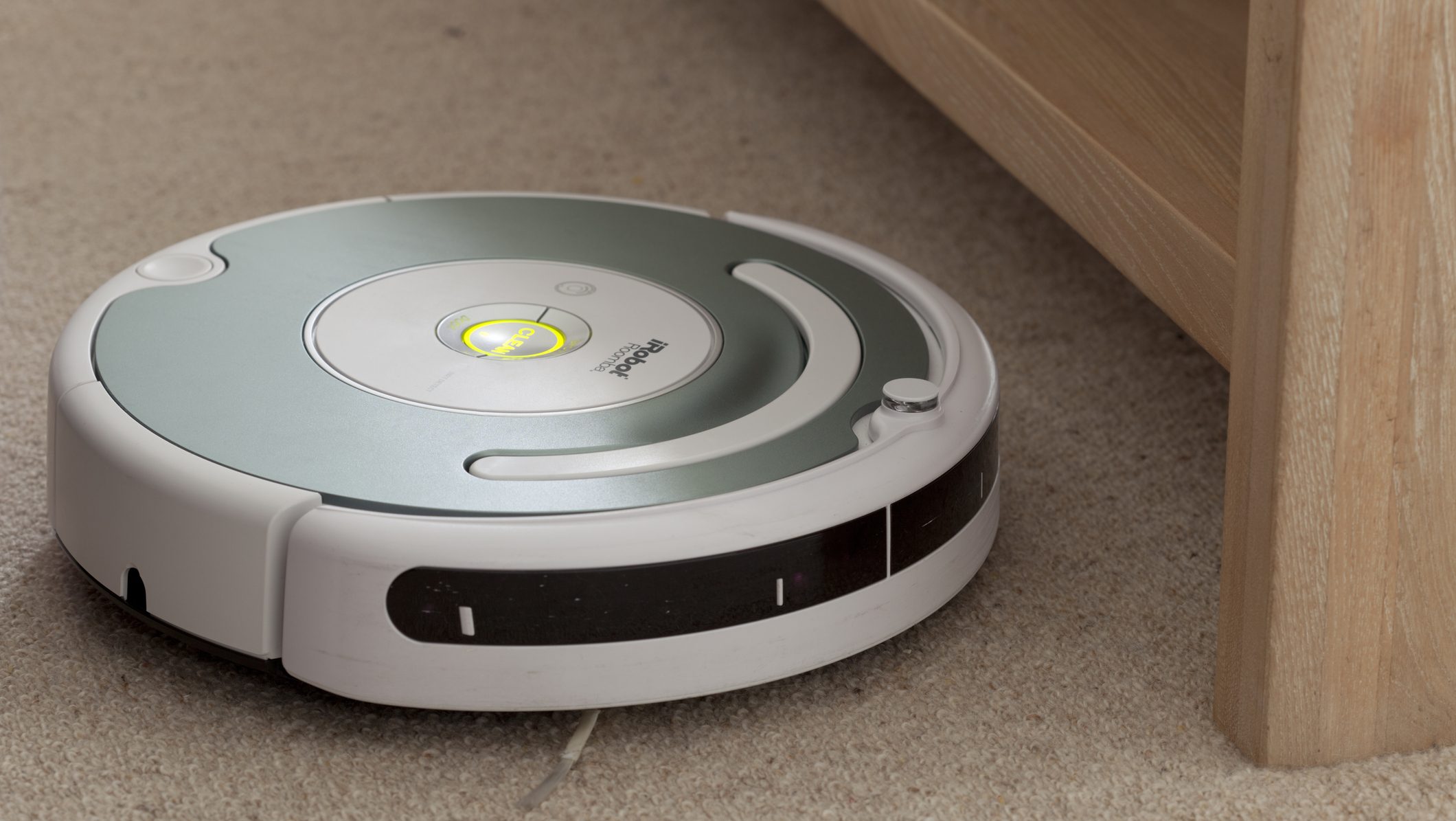
Recent developments from iRobot highlight the company’s limited ability to compete against mostly Chinese rivals. Chinese firms such as Dreametech, Roborock, Xiaomi, Narwal Robotics, and Ecovacs total nearly 70 percent of the global market for robot vacuums. Retail robot markets today are highly dynamic and competitive, rapidly evolving to offer new and innovative products, which increases choices for consumers. Robot vacuum designs continue to improve, with new flagship models featuring smart laser mapping, mopping, and self-cleaning functions. In this highly competitive environment, iRobot faces immense pressure to innovate continuously and provide the best products at the lowest prices.
iRobot once claimed the top of the robot vacuum market, holding nearly two-thirds of the market share in 2018. However, fierce competition from Chinese rivals shrank the company’s share to 40 percent by 2022. To strengthen its ability to innovate and compete against Chinese manufacturers flooding the market with lower-priced vacuums, in 2022 the Roomba maker entered into a $1.65 billion merger agreement with Amazon.
The deal drew regulatory scrutiny in multiple jurisdictions. A month after the announcement, the Federal Trade Commission (FTC) launched an investigation, seeking to block the merger. To garner political support against the deal, Senator Elizabeth Warren (D-MA) and several House Democrats sent a letter to the FTC, urging it to “use its authority to oppose the Amazon–iRobot transaction.” With the European Union soon launching its own investigation, it became increasingly unlikely that regulators would allow this transaction to proceed. After the parties voluntarily abandoned the transaction in 2024, the FTC declared victory, stating it was “pleased” that the deal had fallen apart.
While the merger would have aided iRobot’s efforts to compete against Chinese rivals, the company is now struggling to survive. The immediate result of the merger’s failure was an operational restructuring for iRobot that included the departure of CEO and founder Colin Angle, and the layoff of 350 employees in Massachusetts, the home state of Senator Warren. Since then, additional cost-cutting layoffs have reduced the company’s workforce by nearly half since early 2024. To stay afloat, iRobot has been forced to outsource its R&D overseas, working with Chinese firm 3iRobotix/Picea, which also collaborates with iRobot’s competitors. Fast forward to today: in its latest SEC filing, the maker of Roomba robot vacuums admitted that it cannot find a buyer for its struggling business, as mounting debt pushes it toward imminent bankruptcy.
As the Computer and Communications Industry Association noted earlier this year, the unfortunate result of this blocked merger is not surprising. Research has shown that overly aggressive antitrust enforcement can discourage mergers and acquisitions, leading to less investment in startups and struggling businesses. This, in turn, undermines innovation, especially in dynamic markets, and ultimately harms consumers by leaving them with fewer and more expensive options. iRobot’s fate serves as a cautionary tale: aggressive antitrust enforcement can reduce companies’ willingness and ability to pursue mergers, which can benefit Chinese competitors at the expense of American businesses and jobs.