
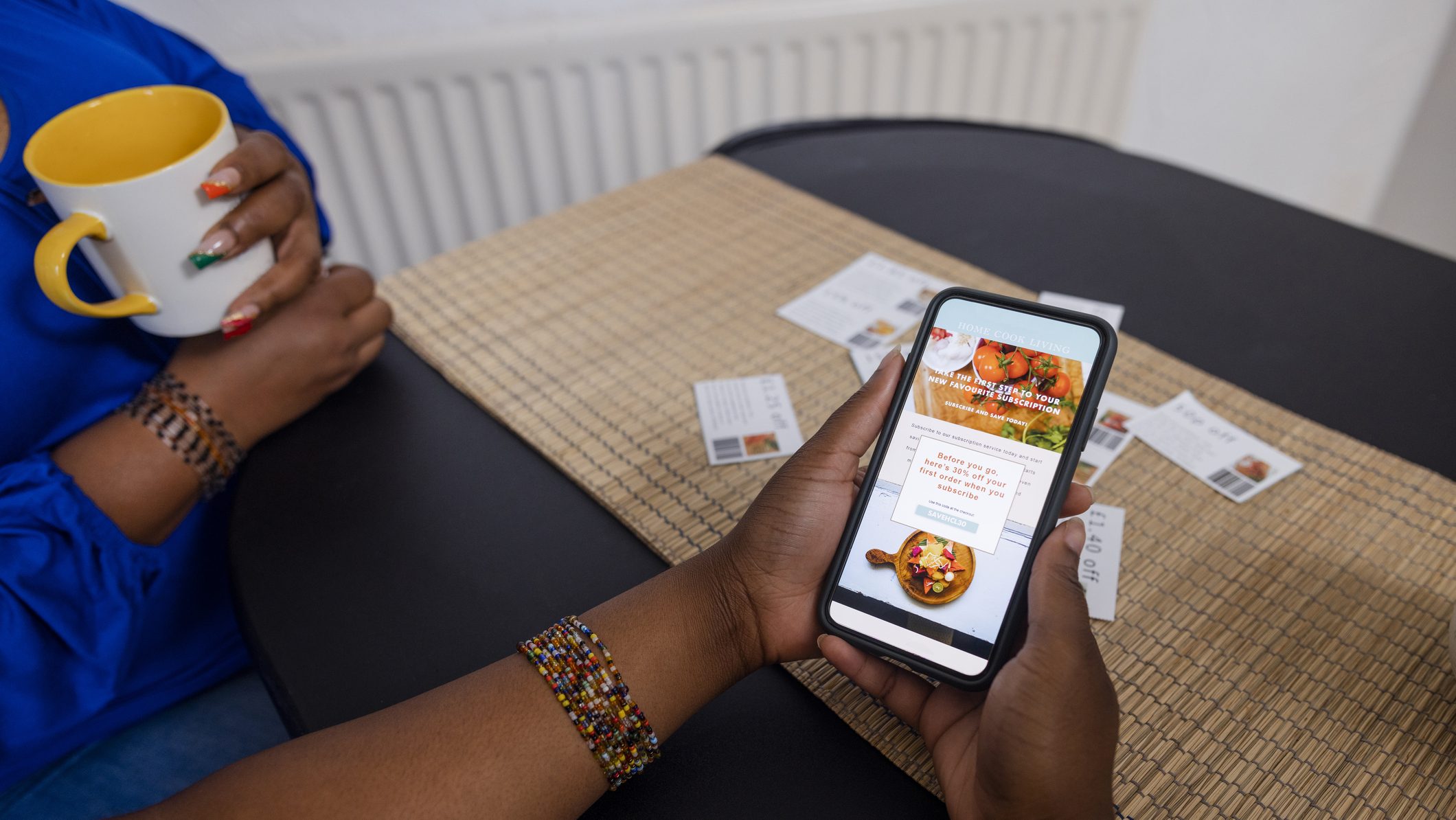
As policymakers debate the role of artificial intelligence in digital markets, the phrase “algorithmic pricing” is often used with implied ominousness. Listening to policy discussions, one could be forgiven for picturing algorithmic pricing as incomprehensible sorcery that somehow impacts prices. The reality is far simpler: algorithms are just the latest tool businesses use to match prices with customers’ willingness-to-pay. Far from some dark art, today’s code-driven discounts trace a straight line back to coupon clipping and the “buy‑two‑get‑one” specials that still greet you in grocery aisles.
What exactly is algorithmic—or “dynamic”—pricing?
The eponymous algorithms behind algorithmic pricing are just computer code that observes real‑time signals (e.g., demand surges, inventory levels, time of day) and then adjusts prices. In the simplest cases, algorithmic pricing results in prices responding to supply and demand fluctuations that are consistent for all who look at that specific product at the same time. The Airlines were pioneers of this method, constantly recalculating fares as seats fill. Their revenue‑management engines, now in use for decades, forecast each flight’s demand curve and nudge fares up or down minute‑by‑minute.
Airlines increasingly created numerous classes and seat categories, some focused on seat dimensions and some bundled with amenities like free snacks and drinks, whose prices can move independently of one another, subject to competitive constraints. By charging different prices based on multiple factors, airlines were able to broadly categorize customers based on their willingness-to-pay and charge accordingly.
Charging different prices for related but distinct product packages sometimes gives policymakers pause, but this response is misguided from a consumer welfare perspective. Without some degree of dynamic personalization of prices, you are left with the limitations of “linear” pricing–everyone must pay the same price for a good or service. In practice, this means that the price is set above what many consumers would be willing to pay, and below what most of the rest would be willing to pay. As a result, many consumers who could only purchase low-cost options (mostly poorer consumers) simply do not purchase at all, and many consumers who could pay more (mostly richer consumers) receive a windfall. By contrast, allowing dynamic pricing with some degree of personalization allows those able to pay more to effectively subsidize low prices for those who are not willing or able to pay more. In the airline example, first-class passengers subsidize very low prices for basic economy passengers.
A direct descendant of coupons and volume discounts
Long before algorithms, brick‑and‑mortar retailers relied on paper coupons. Clipping a 25‑cent cereal coupon signaled the shopper had a more elastic demand curve—willing to hunt for savings—so the manufacturer could lower a price for that subgroup without cutting the shelf price everyone else saw. Economists documented how couponing is simply third‑degree price discrimination: different prices to cohorts with different elasticities. Volume discounts follow the same logic, granting lower unit prices to customers who buy in bulk and reveal higher price sensitivity.
You’ve probably enjoyed algorithmic pricing this month
- Rideshares: Uber’s up-front pricing is still often called “surge pricing” as a reference to its dynamic response to supply and demand factors. This prominent example has sometimes received an unfair portrayal in the media, but is the simplest way to match supply and demand in changing conditions. If you want to be able to hail a ride after a concert, Uber needs to incentivize more drivers to get on the road, and the price has to adjust. Everyone complains when the price is higher than usual, but this model works in riders’ favor when prices drop due to an excess supply of drivers.
- Flight searches: If you checked airfares on Tuesday and again on Friday, you saw prices move. Airlines’ dynamic fare classes reprice seats hundreds of times per day, making sure last‑minute business travelers, not leisure passengers, pay the highest fares. By matching prices for each seat closer to actual willingness-to-pay for each consumer, airlines’ algorithms make flying affordable for poorer consumers and maximize the filled seats on each flight.
If those experiences felt normal—or even welcome—you’ve already benefited from algorithmic pricing.
Dynamic pricing can lower prices for the least‑advantaged
The real promise of algorithms is that they remove the crude averages that once forced stores to pick a single price. For instance, public‑transit agencies now use means‑tested algorithms to offer half‑priced bus and rail fares to riders below 200 percent of the poverty line, funded by passengers with higher willingness-to-pay. San Francisco’s Clipper START card is just one of 17 U.S. programs doing this as of April 2025.
In digital markets the same logic applies. Just as ad‑supported video tiers and trial discounts expand access for households that would otherwise stay off the platform entirely, dynamic and personal pricing can allow products to be offered to large numbers of consumers who would not otherwise purchase the product at a “linear” price. A one‑price‑fits‑all rule is regressive: it forces low‑income consumers to subsidize the consumer surplus of wealthier ones by turning away poorer consumers unless they stretch their budgets.
Why charging different prices can raise consumer welfare
Standard economic theory shows that dynamic personal pricing generally increases social welfare so long as total output expands. More seats flown, more riders carried, and more shows streamed can translate into consumer surplus for groups that would otherwise be priced out of a market. A 2023 literature review finds welfare gains whenever personal pricing unlocks new consumption that a uniform monopoly price would have foreclosed.
Think of it this way: the marginal cost of an extra seat on a half‑empty flight is close to zero. Selling that seat for $89 to a price‑sensitive student who would never pay $289 is pure surplus for both sides. The airline only agrees to the deal because dynamic pricing lets it still charge the last‑minute business traveler $489. The student gains, and the business traveler was willing to pay to book last-minute.
Where we go from here
For policymakers, the key takeaway is not to ban dynamic pricing but to preserve choice. Restricting dynamic personal pricing would backfire: it raises the uniform linear price, hurting low‑income shoppers first who often must drop out of the market. Well‑designed algorithmic pricing empowers companies to expand output and cross‑subsidize access for those least able to pay. That is exactly what coupons and volume discounts achieved in the past—and what modern code can do at digital scale today.
In other words, the future of pricing looks a lot like its past—just faster and smarter.