Government Shutdowns and the Space Industry: What Stops and What Continues?
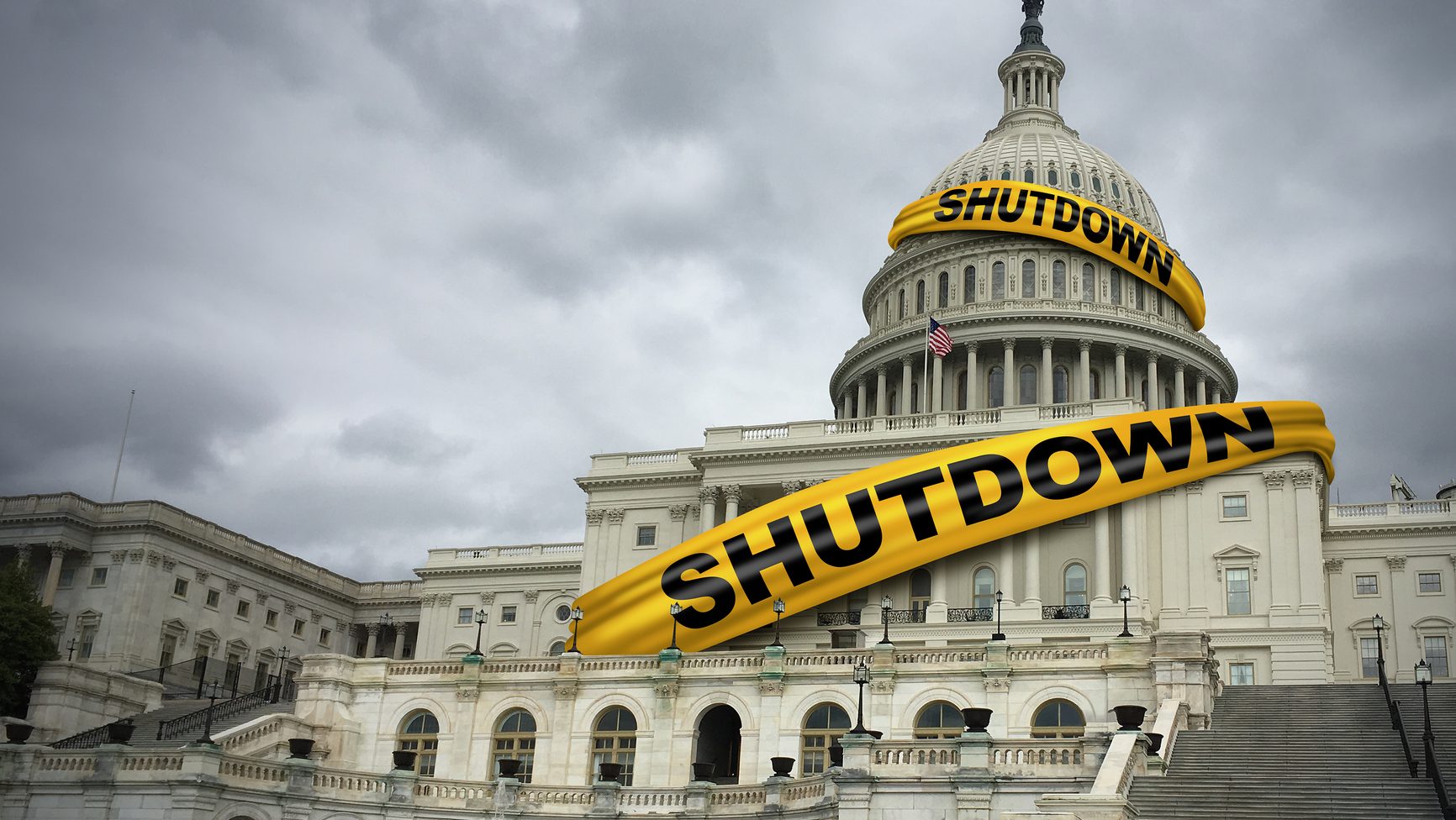
Government shutdowns are disruptive to many industries with the space industry being no exception. When funding stops and contingency plans are adopted for agencies like NASA or regulatory bodies such as the FCC, the impact is felt across the commercial and scientific ecosystems.
During a government shutdown, many federal services halt operations, but a crucial set of functions, known as “excepted activities” are permitted to continue. These include operations that aren’t reliant on current annual appropriations, such as those financed by existing grants, contracts, or fees. Activities that are expressly authorized by law or authorized by necessary implication to proceed without new appropriations can continue. Essential functions necessary to discharge the President’s constitutional duties and powers also persist. Finally, any activities where ceasing operations would present a reasonable likelihood that the safety of human life or the protection of property would be compromised are likewise excepted.
Each government agency distributes their own contingency plan with more specifics on what operations will be excepted and how many full time employees (FTEs) are expected to be furloughed. These plans are usually made publicly available in the days leading to an expected shutdown. Below are highlights of impacts to the space industry.
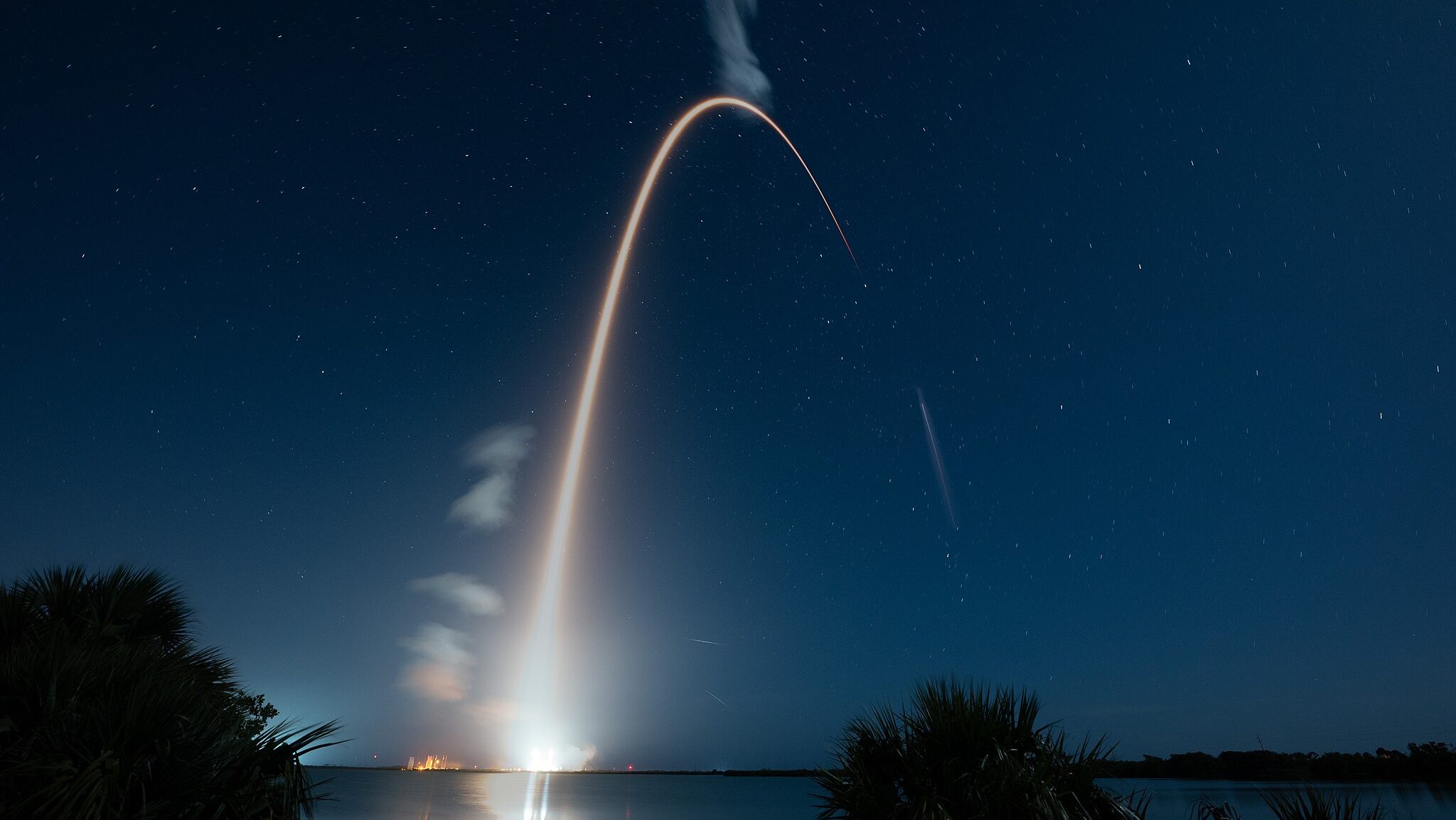
The Federal Aviation Administration (FAA) will furlough 11,322 out of the 44,829 FTEs at the agency. Activities such as space launch oversight and operations will continue during shutdown. However, certification personnel will be reduced. Activities that will cease during a shutdown include aviation rulemaking, dispute resolution, administrative support that is not explicitly required for excepted activities, public affairs work, and support for law enforcement assistance.
The National Aeronautics and Space Administration (NASA) will furlough 15,094 of the 18,218 FTEs at the agency. Excepted activities for NASA include ISS operations, the Artemis Mission, and maintaining safe satellite operations and the contractors for these operations. All other research and educational activities will cease unless explicitly deemed in alignment with presidential priorities. Activities under NASA grants can continue if they do not require additional funding or the use of NASA facilities and resources.
The National Oceanic and Atmospheric Administration (NOAA) will furlough 5,626 of the 10,466 FTES at the agency. Weather monitoring and reporting will continue, as well as emergency weather services. External research activities may continue but would not receive any additional resources during a shutdown, but internal research activities will cease.
The Federal Communications Commission (FCC) will furlough 1044 of 1288 FTEs at the Commission. International and treaty-related activities, such as preparing for the World Radio Conference 2027, will continue. However, licensing services for broadcast, wireless, and wireline will cease, as will management of radio spectrum, equipment authorization, and consumer protection services.
The Bureau of Industry and Security (BIS) is responsible for implementing and enforcing the Export Administrations Regulations (EAR). While BIS manages U.S. export control, including licenses for dual-use technologies like most space technologies, only 115 of its 445 FTESs will continue work during the shutdown period. Review and processing of emergency license applications related to the support of U.S./allied military activity as well as protection of U.S. property and life will continue. However any license applications or ongoing activities for any other purpose will likely cease during a shutdown period.
The State Department has a vital role in the protection of life and property, and as such majority of the embassies and consulates abroad will remain open with reduced staffing and services.
The State Department also contains several offices and bureaus that are relevant to the space industry, such as the Office of Space Affairs, the Bureau of Cyberspace and Digital Policy, the Bureau of Emerging Threats, and the Bureau for Political-Military Affairs. All of these offices and bureaus are subject to a lapse in appropriations, and will cease all work not related to the protection of life and property or minimal treaty obligations.
In the short term, companies can mitigate impacts by working under previously issued licenses. However, to ensure continued growth, issuing the necessary permits for more satellites, ground stations, and launches will be needed. Rulemaking will also cease during a shutdown, which can slow down items of interest for industry, such as Equivalent Power-Flux Density (EPFD).
Additionally some questions remain on activities impacting the space industry. For example, within NOAA is the Office of Space Commerce (OSC), which is responsible for remote sensing licensing and for promoting U.S. commercial space services. During a shutdown, OSC will maintain readiness to implement emergency conditions on commercial remote sensing operations in the event of a national emergency, and will continue to monitor licensees for compliance with licensing conditions as related to the protection of national security. The review of new licenses, oversight for non-national security conditions, and work on the framework for mission authorization (as ordered in a recent Executive Order) are not listed as excepted functions for OSC.
A sustained lapse in government services harms U.S. workers and stalls innovation and investment, threatening not only the stability of the domestic space industry but also the U.S.’s global dominance in space. To maintain a competitive edge, the U.S. space sector requires a reliable, active, and predictable partner in Washington.