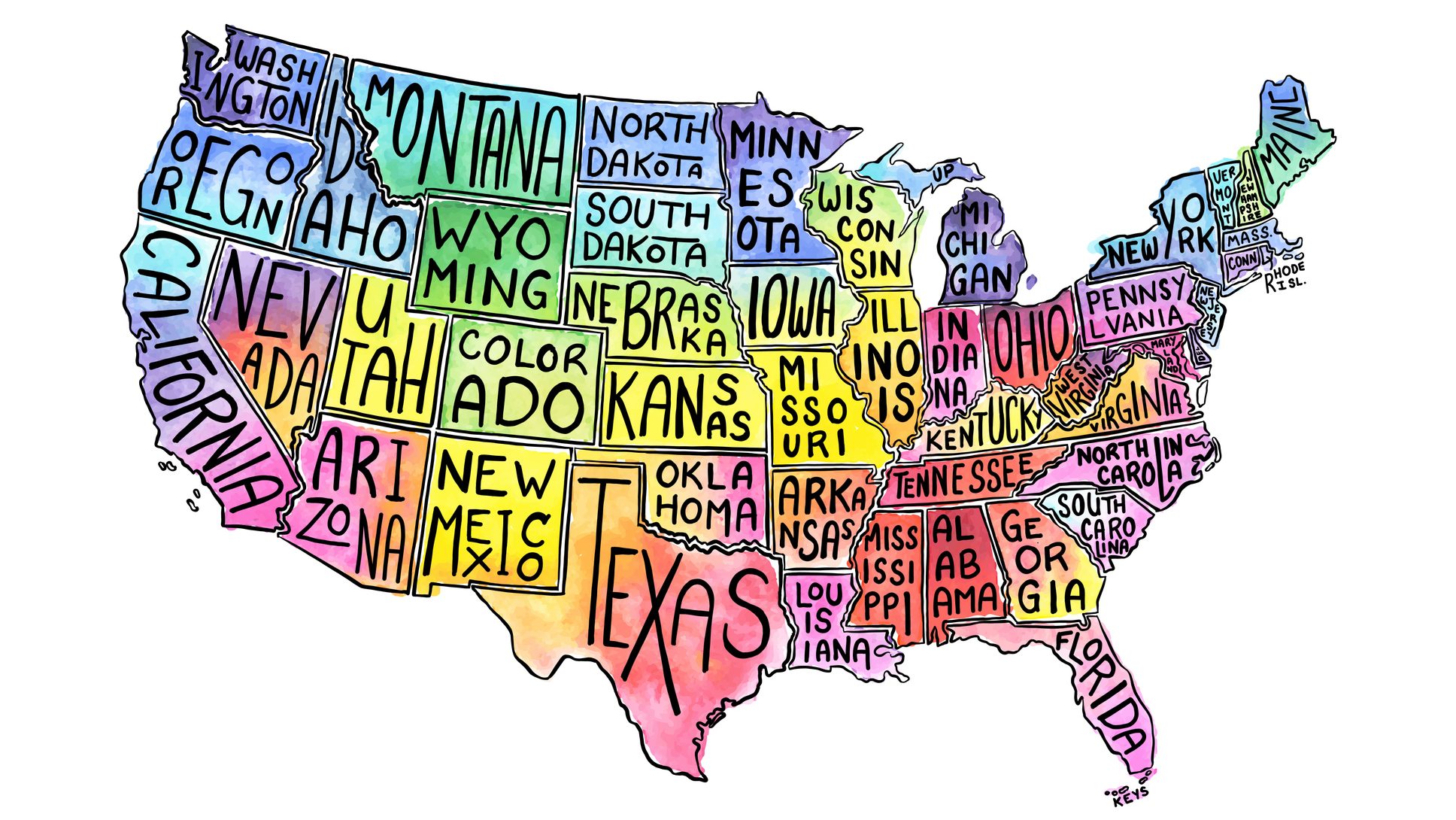
With 42 states having adjourned and 25 legislatures carrying over their bills from the 2025 to the 2026 legislative sessions, we are halfway through a 2025 overflowing with legislative efforts from the states. While California and New York are often mentioned as states that can shape national policy, several other states have approved legislation with wide-ranging impacts; such as Minnesota’s social media warning bill, Nebraska and Vermont’s versions of the Age-Appropriate Design Code, and Virginia’s law establishing social media time limits for minors.
The priorities set in January have now shifted to the realities of July, including the possibility of special sessions in several states, as lawmakers consider budget adjustments following the passage of the “One Big Beautiful” bill in Congress. This sweeping federal law includes significant funding changes, which have downstream effects on state budget planning and policy priorities.
In January, members of the Multistate AI Policymaker Working Group touted ambitious omnibus bills aimed at regulating nearly all aspects of artificial intelligence, from safety planning to copyright concerns. Legislators also circulated draft privacy bills in hopes of building consensus in the absence of a federal privacy law. At the same time, measures to ban minors from social media were being pushed across multiple states.
By July, however, the landscape looks very different. Lawmakers (with one major exception in New York) have shifted toward piecemeal AI legislation and are laying the groundwork for long-term oversight of artificial intelligence. States are moving from broad regulatory proposals to domain-specific governance targeting how AI affects housing, healthcare, education, and criminal justice. States focused particularly on the use of synthetic media, requiring disclosures of AI use, and establishing sandboxes and committees for future AI regulation.
While several privacy bills were introduced, legislative movement largely centered on amending existing privacy laws in states like Connecticut and Virginia. Efforts to ban minors outright from social media have also stalled. Instead, lawmakers are pursuing more “design-based” approaches, targeting algorithms, warning labels, and modified versions of Age-Appropriate Design Codes. Lawmakers are increasingly favoring laws that they say regulate product design and platform behavior over blunter content controls often citing First Amendment concerns.
So, what changed?
Several factors contributed to this shift in priorities. States continue to wrestle with post-COVID budget challenges and are reacting to recent federal legislation such as the Take It Down Act, which empowers minors and parents to request the removal of explicit images online and have raised concerns about compliance burdens. The most recent federal reconciliation bill also realigned state-federal funding dynamics.
Additionally, several statehouses experienced changes in legislative leadership and shifts in partisan control, further impacting the policy agenda. States are also dealing with both perennial issues (like education and infrastructure funding) and new challenges, including regulating the emergence of companion chatbots and the growing use of cryptocurrency.
Importantly, legislators had time to observe the legal and political fallout from laws passed in other states, many of which ended up in court. As a result, lawmakers in several states have expressed a desire to wait for court rulings in Arkansas, California, Florida, Georgia, Mississippi, Texas, and Utah before enacting new age verification laws that risk being struck down before implementation.
As 2025 winds down, the era of splashy, sweeping technology bills may be giving way to more targeted, incremental policymaking. From youth online safety to workplace automation, state legislatures are stepping into the regulatory vacuum left by Congress and doing so with a sharper eye on constitutionality, public engagement, and long-term impact.
While 2026 may bring renewed momentum around unresolved issues like federal preemption and AI liability, one thing is clear: states will continue to be the frontline laboratories for digital governance and the pace of experimentation is only accelerating.