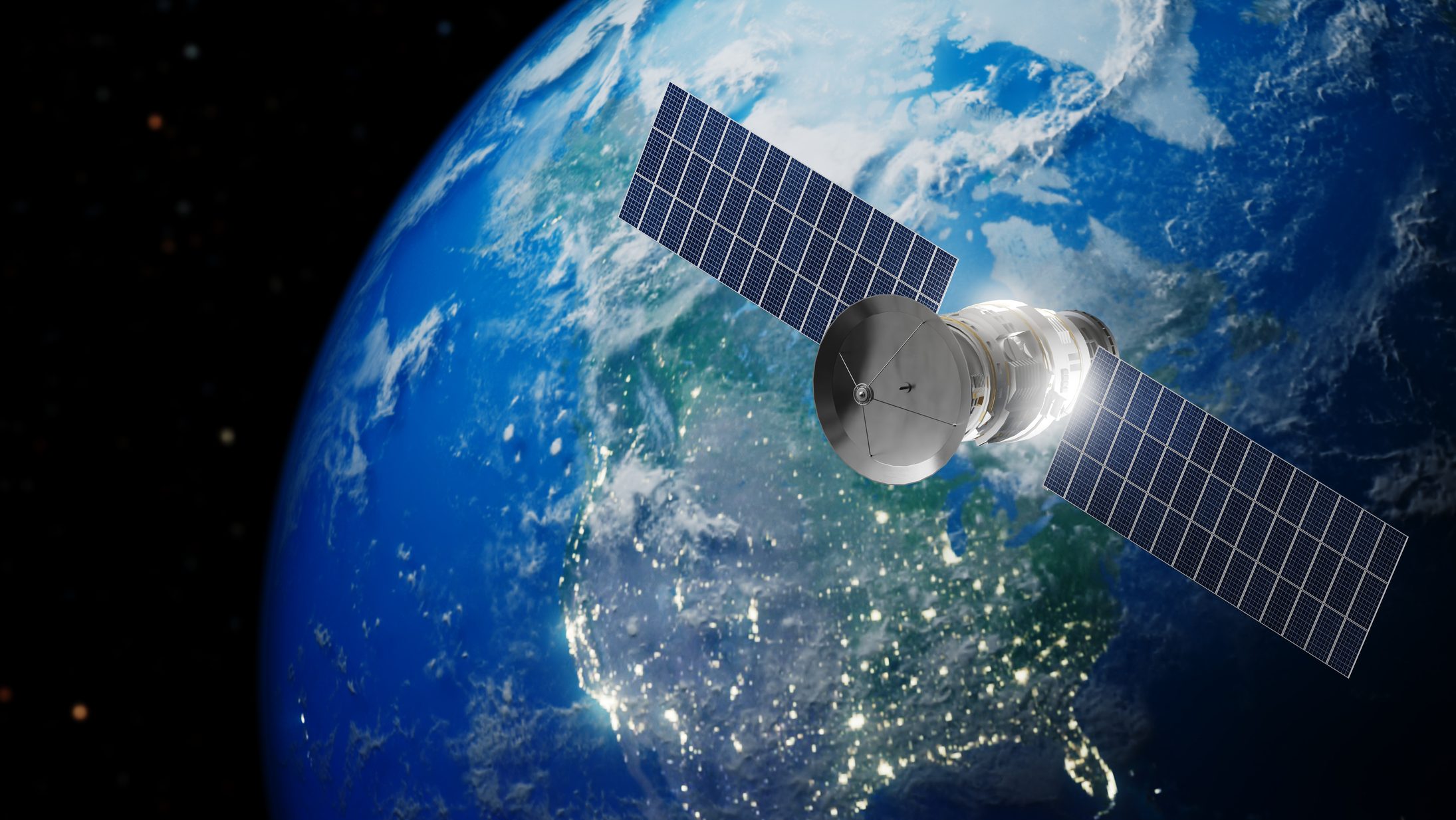
Launching a New Era of Global Connectivity
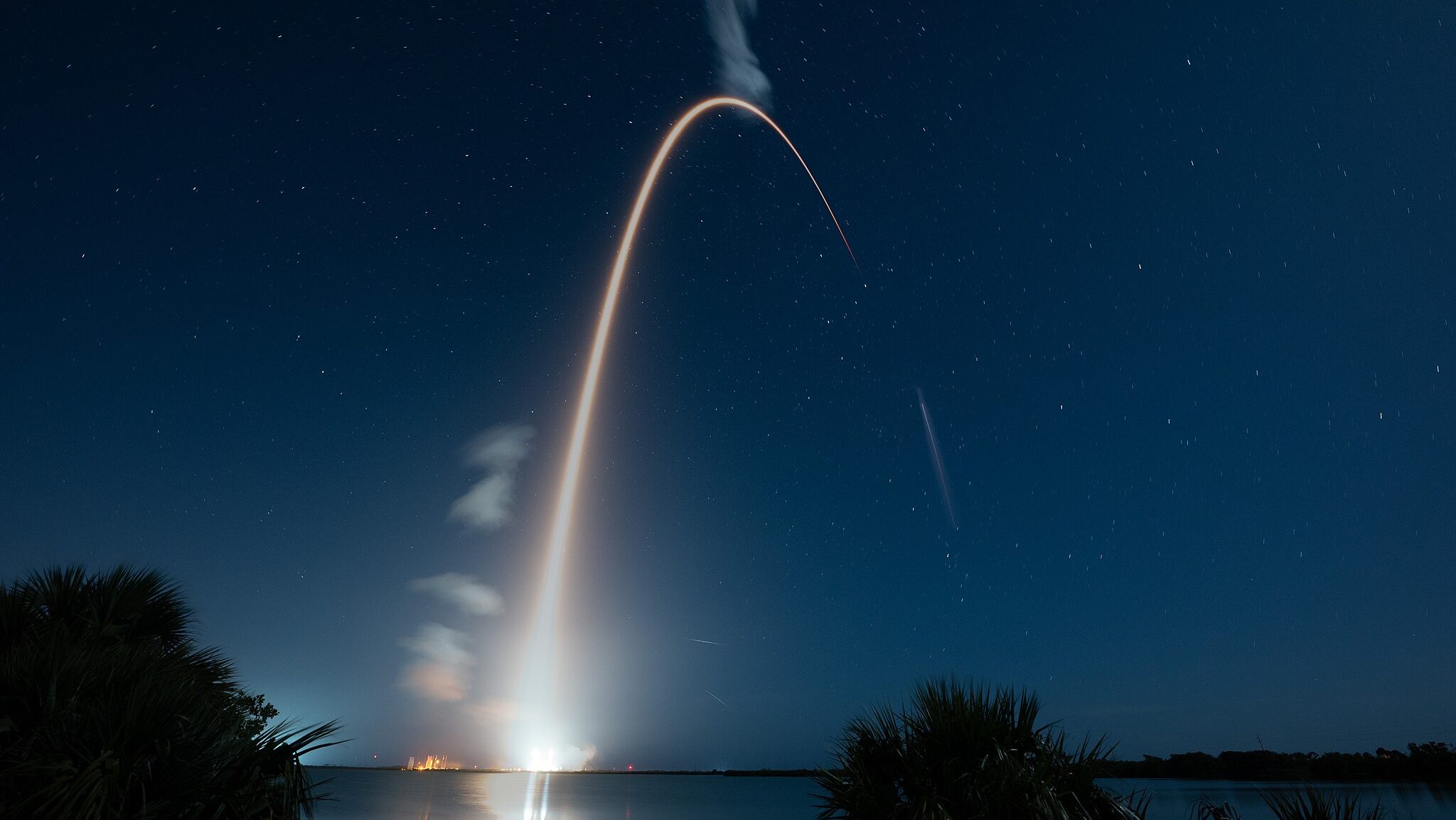
Satellite telecommunications has grown to be one of the largest sectors in the commercial space economy, providing reliable connectivity to areas that lack traditional broadband infrastructure. This growth is expected to accelerate with as many as 70,000 low Earth orbit (LEO) satellites dedicated to telecommunications slated to launch over the next 5 years. However, there are two major barriers to launching this new era of global connectivity – not enough launch opportunities and a complex regulatory framework.
The lack of launch opportunities is concerning as the International Telecommunications Union requires satellite operators to deploy 50% of their planned satellite constellation within 5 years of filing and have full deployment within 7 years of filing, or risk losing their spectrum rights. An operator delayed past the deadline could risk billions in investment.
The industry has responded to this issue by investing billions of dollars in companies like SpaceX, Blue Origin, and Rocket Lab, who are developing new rockets capable of launching dozens of satellites in a single launch. Yet even with advancements in reusable capabilities, there are still barriers with the capacity at current spaceports and the complex regulatory landscape around space launch.
The majority of launches in the U.S. are from just 4 spaceports: Cape Canaveral, Kennedy Space Center, Vandenberg Base, and the Mid-Atlantic Regional Spaceport. However, these are primarily federal government spaceports, which means that commercial missions jockey with critical science and national security missions for launch pad availability.
As demand grows beyond the capacity, additional launch sites will need to be developed. One way to encourage spaceport development is through programs such as the Spaceport Transportation Infrastructure Matching (STIM) grant program, which was introduced by Congress in 1994. However, the program has suffered from a lack of funding and overly stringent requirements, and no STIM grant awards have been made since 2012. More recently, a 2020 study on spaceport infrastructure identified 44 different high-priority improvement projects that had a total estimated cost of over $382 million. In 2024, the Federal Aviation Authority’s (FAA) Commercial Space Transportation Advisory Committee recommended revitalizing the STIM program with increased funding and less restrictive requirements. Implementing these changes would greatly accelerate the development of spaceport infrastructure.
Another hurdle to overcome is the slow and byzantine regulatory process for launch operations. Environmental review is a crucial step in the licensing process, but it also remains one of the most time-consuming and burdensome parts due to overlapping requirements from various authorities working with outdated frameworks. The reviews often suffer from long delays with inconsistent rulings and overly prescriptive requirements. An overhaul of the process, like the one directed in President Trump’s recent executive order, could eliminate duplicative steps, eliminate outdated requirements, and provide categorical exceptions for low-impact operations while still maintaining appropriate environmental oversight.
In 2020, the FAA introduced Part 450 as an effort to streamline launch and re-entry licensing in a single, performance-based regulatory framework. Implementation, however, has not been smooth. For instance, Part 450 requires the FAA to reach a determination on an application within 180 days, but in practice the pre-application process can stretch on for years. As another example, the performance-based framework for Part 450 was meant to provide greater flexibility for launch companies, but in practice it has created unnecessarily complex technical reviews with shifting requirements and greater bureaucracy. These challenges are compounded by staffing and resource constraints that limits the agency’s ability to respond to industry demand.
Part 450 is still being rolled out and refined, with full enforcement expected March, 2026. To ensure that the transition does not slow down the space industry, the process should be streamlined to focus only on its intended goal of ensuring public safety during launch operations with simplified, consistent technical reviews. The FAA should regularly communicate with the industry on the interpretation of regulations and the expected level technical detail required for compliance, for instance through the practice of advisory circulars. And steps must be taken to ensure that the FAA has the resources and staffing required to implement and enforce its regulatory statute in pace with industry growth.
Export control restrictions can also create unnecessary barriers as the export of space technology remains highly controlled. These restrictions were created to protect technologies that are critical to our national security and economy. However, the rest of the world has greatly advanced in space technology development, to the point that the U.S. still restricts goods from export that are now widely available on the global market. The U.S. government occasionally enters into Technology Safeguard Agreements (TSA) with other countries to facilitate the transfer of protected technologies, such as the recent agreement with Sweden for commercial space launch. These agreements are far and few between, and only account for a single nation. Reforming export control restrictions to allow for the transfer and sale of widely available technology and creating TSAs with close allies for sensitive technology is critical to creating global partnerships for launch.
Finally, there are a growing number of international spaceports who host American and foreign rocket companies. However, accessing these launch opportunities can be difficult, as U.S. companies are required to be licensed by both the FAA and the relevant foreign authority. Proper licensing is required to ensure safe and sustainable space operations and to comply with the Outer Space Treaty’s requirements for supervision and authorization. But necessitating companies obtain licenses from multiple international authorities for the same operation creates unnecessary barriers. In 2024, the FAA entered into an agreement with the New Zealand Ministry of Business, Innovation, and Employment (MBIE) which allows the MBIE to recognize and accept FAA commercial space transportation licenses for launches out of New Zealand; further agreements for license recognition (such as through the EU Space Act) would go a long way in opening up more launch opportunities.
Through greater support for spaceport development and effective regulatory and export control reform, the space industry will be well positioned to meet the growing demand for LEO access. This in turn will eliminate key barriers to launching a new area of global connectivity.