Nebraska’s LB 525 As A Model for AI Chatbot Legislation

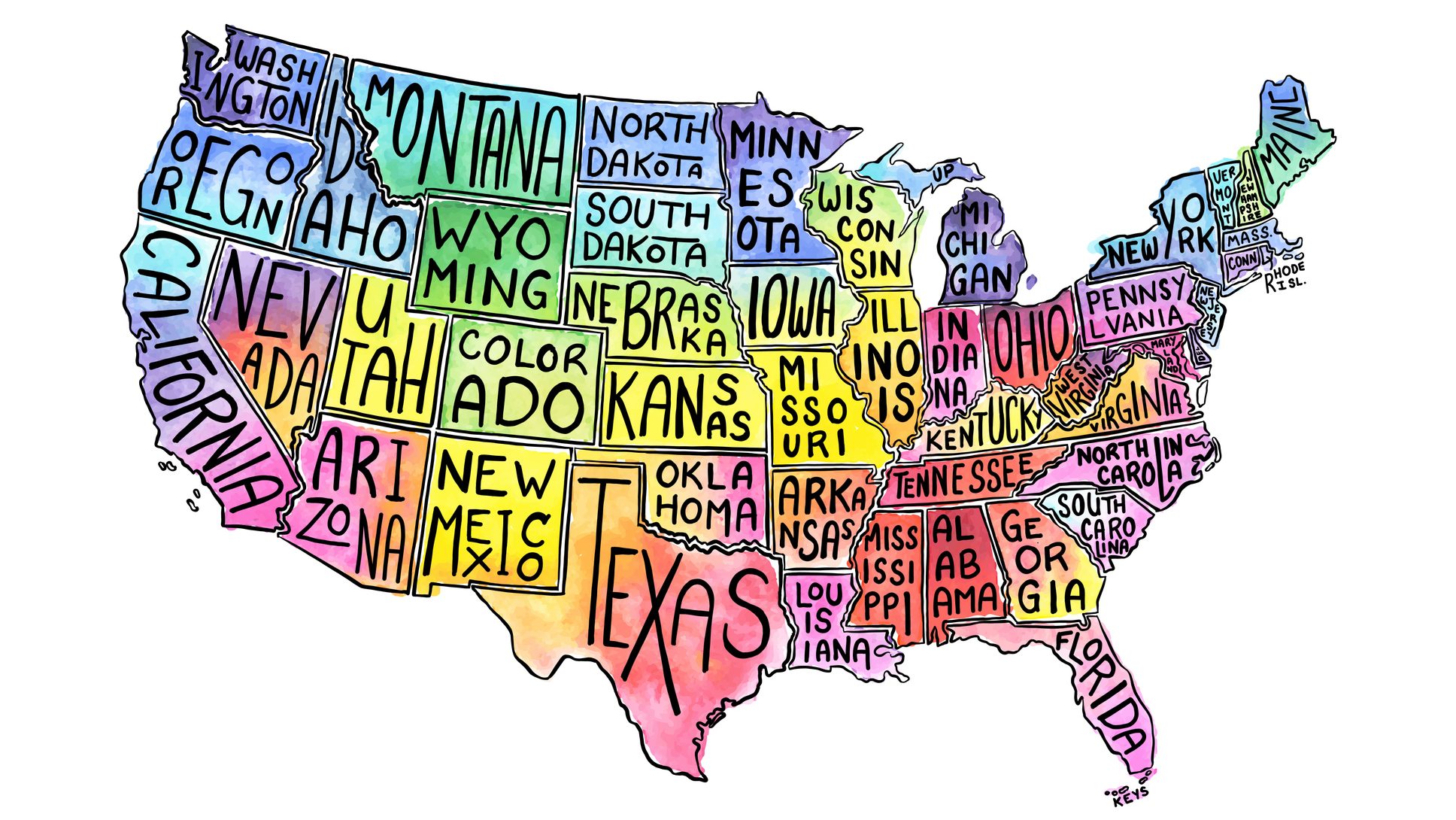
In the absence of a comprehensive federal framework for artificial intelligence (AI), state legislators are moving to regulate the rapidly expanding technology. In the first half of 2026, state legislatures introduced more than 1,300 AI-related bills, covering topics as varied as healthcare, employment, elections, and companion chatbots.
Nebraska’s LB 525, signed by Governor Jim Pillen on April 14, 2026, is a recent example of what a balanced approach to AI can look like. LB 525 contains the Conversational Artificial Intelligence Safety Act, governing how AI chatbots interact with minors.
A Well-Defined Scope
Compared to many bills that introduce ambiguous definitions that require substantial litigation to define, LB 525 does not leave businesses guessing as to whether their AI product or service is in scope. Instead, it clearly defines the products and services it regulates: a “conversational artificial intelligence service” that is publicly accessible through an AI application, web interface, or program and whose purpose is to primarily simulate human conversation. It then lists specific exceptions including bots limited to narrow topics, business-to-business tools, and voice assistants on consumer devices. This thoughtful tailoring means a company can look at the statute and quickly know whether it’s covered.
Realistic Requirements
Once a service qualifies as covered, LB 525’s mandates are direct, ensuring that companies can continue to innovate AI chatbots while protecting minors’ interests. The bill requires AI chatbot operators to notify minors that they are interacting with AI, implement safeguards against sexually explicit or emotionally manipulative interactions, and prohibits chatbots from role-playing adult-minor romantic relationships. The law also requires operators to establish protocols for responding to prompts involving self-harm, such as making reasonable efforts to direct users to crisis services, while prohibiting misleading users into thinking that the chatbot is human or a healthcare professional.
Each of these requirements is risk-based, stepping in with rules for clearly identified harms. And most importantly, the requirements remain narrowly targeted, imposing limited obligations on the design features of the chatbot itself to avoid any unconstitutional restrictions on speech or access to content. Rather than imposing broad duties of care or requiring companies to predict and prevent undefined harms, LB 525 regulates discrete product features tied to specific risks. The result is a bill that will protect minors without unnecessarily stifling innovation.
Reasonable Enforcement
LB 525’s enforcement mechanisms are similarly balanced. The law is enforced exclusively by the Nebraska Attorney General and contains no private right of action, limiting the risk of spurious litigation. For example, model developers are not held liable for violations committed by third-party operators building on top of their models, which places responsibility on the party that is actually controlling the product that harms the user. Additionally, the substantive provisions don’t take effect until July 1, 2027, giving companies close to a year of lead time to build compliance into their products rather than scrambling to meet compressed implementation timelines.
Conclusion
As states continue to consider companion-chatbot legislation going forward, LB 525 offers a strong reference point for a responsible approach to AI regulation. The narrow, well-defined scope which focuses on specific and demonstrated harms and balanced enforcement design distinguishes it from vaguer and more sweeping proposals that can invite years of litigation and compliance uncertainty. Legislators considering similar proposals should look to LB 525 as a model for crafting clear, targeted, and enforceable AI legislation.